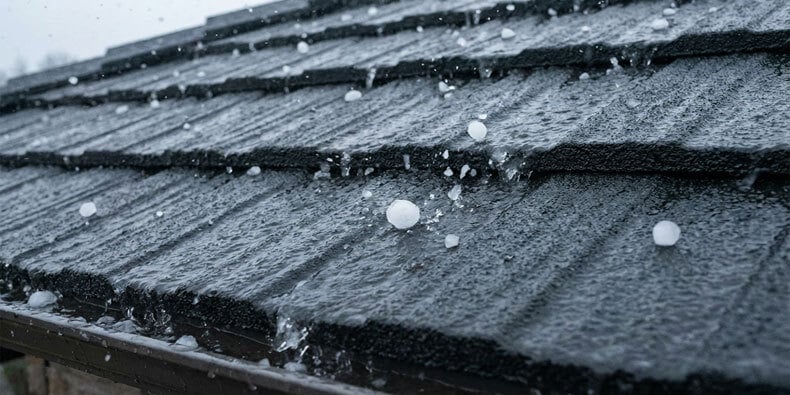
Most areas of the United States experience hail—some more frequently than others. But what is hail exactly? These little balls of ice are formed when rain moves upward during a thunderstorm into a colder layer of air. Rain will cause small hailstones to grow, increasing their size. Once they become too heavy for the thunderstorm to support, they fall to earth.
That’s when property owners suffer from the damage wrought by hailstones. One of the most common areas damaged by hail is residential roofs. That’s why roofing is rated for impact resistance, the impact most often being caused by hailstorms.
Because these impact resistance ratings can be confusing, we created this blog to help homeowners learn more about them, including:
- How hail impacts exerts a high price on roofing and on homeowners’ budgets
- How roofing is rated for impact resistance to choose the best roof for your home
- Why metal roofing offers advantages beyond just hail impact resistance
If you’re looking for a roof to protect your home from hail, you can use this article to guide you. Great news: you can find a roof that not only prevents hail damage but also provides many other weather and financial protections.
The Effect of Hail on Your Roof…And Your Bank Account
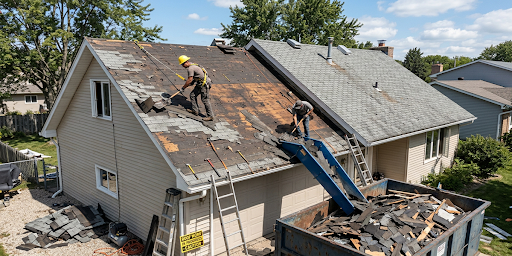
Tornadoes, hurricanes, and wildfires tend to grab the front page news. But hailstorms are also highly destructive. And expensive. They can leave a vulnerable roof cracked, pitted, or warped. And if the damage isn’t fixed, the next hailstorm can damage the roof decking or pave the way for interior leakage.
Damaging hail fell an average of 122 days per year between 2004 and 2024. However, in 2025, hail fell on 142 days. At least 600,000 homes were struck by hailstones of 2 inches in diameter or larger.
The trend of increasing frequency and severity of hailstorms has weather and insurance professionals concerned. They predict that a single hailstorm could cause $30 billion in insurance losses over the next decade or two.
In 2025, insurance payouts to homeowners for hail damage averaged $12,000, with moderate claims ranging from $2,000 to $4,000. But even a “small” insurance claim for hail can have long-lasting consequences for property owners:
- Having to pay a deductible on claims
- Risk of increased insurance premiums
- Possibility of policy cancellation
Repairing a hail-damaged roof is also disruptive. You may have to take time off work. Serious roof projects can hurt landscaping or make the yard inaccessible to kids and pets. It’s better not to have roof damage at all by choosing a hail-resistant roof.
What Is the Best Type of Roof for Hail? Class 4 Impact Resistance Explained
To help homeowners choose a roof that protects against hail and similar impacts, Underwriters Laboratories (UL) developed a rating system. They are an independent organization that tests and rates consumer and building products. When it comes to roofing, you want to see the UL2218 Impact Rating test, which is now the gold standard for hail resistance.
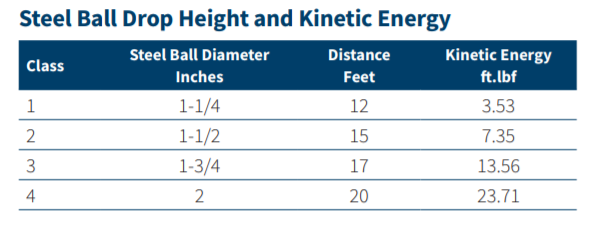
How do UL experts test for impact resistance? They drop steel balls on roofing material from different heights. Steel mimics the density and hard exterior of hailstones better than other spherical objects, such as baseballs.
The results are classified into ratings ranging from Class 1 to Class 4. The latter is the highest rating, indicating it is best able to withstand hail impact. Even if a 2-inch steel ball is dropped on it from 20 feet above, a Class 4 roof will not show any penetration or fracture.
The best roofing manufacturers also conduct their own impact-resistance testing. Some warranty their roofing products against hailstones even larger in diameter, on top of the Class 4 UL rating.
Metal Roofing Benefits Beyond Impact Resistance
Metal roofing—especially stone-coated metal roofing—performs well in impact resistance tests. It’s a favorite with insurance companies for this reason, along with other weather protection benefits. In fact, homeowners with metal roofs often enjoy insurance discounts, while other property owners are finding their policies increasing in price or being discontinued altogether due to the risk of costly claims.
Wind and Wind-Driven Rain Resistance
The same storms that produce hail are often accompanied by wind and rain. So, you want to find an impact-resistant roof that also protects against these two threats.
Look for a roof that resists wind uplift in the worst winds, like hurricane-force gusts experienced in places like Miami-Dade, Florida. And that roof should also protect against rain driven at high speed, which could otherwise seep into tiny spaces, causing damage to the roofing material, the decking beneath, and the home's attic or upper story.
High Fire Rating
Wildfires aren’t just a Western problem anymore in the United States. Widespread drought has increased the risk of fire across the Northeast.
Fortunately, metal roofing is not combustible. The top metal roofing brands carry a Class A fire rating from Underwriters Laboratories. This offers extra protection, such as keeping the roof in place during the high temperatures of a wildfire.
Superior Performance in Temperature Extremes
As we’ve seen lately, the same area of the country can experience both below-freezing temperatures and heatwaves within a short period. You need a roof that can handle both.
Pick the right metal roof, and you’ll get one that stands up to heavy snowfalls and discourages ice damming, which can occur during freeze-thaw cycles.
Stone-coated metal roofing also features unique surface finishes that reflect sunlight in summer. Rather than making the home hotter, this type of roofing helps keep it cooler, saving homeowners up to 25% in HVAC costs.
Longevity
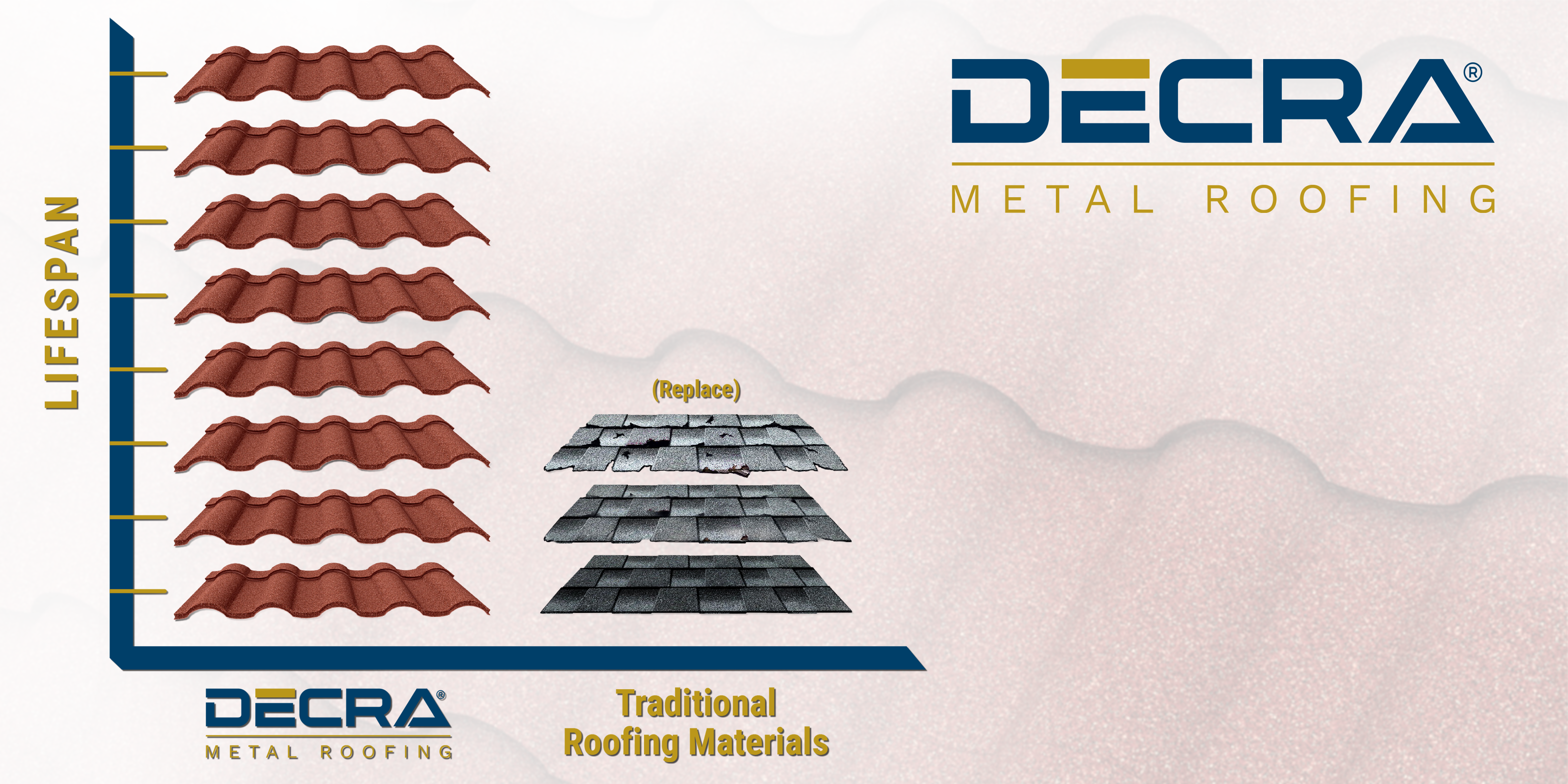
Homeowners love the longevity and durability of metal roofing. Instead of having to replace their roofs every 10-20 years, they get 40-70 years out of a roof remodel. That’s a significant savings in money and time.
In addition to insurance savings, homeowners with metal roofs also appreciate other advantages:
- Increased home value - A metal roof can boost a home’s value by up to 6%. This is great for building equity or for listing the property and getting a premium sale price.
- Low maintenance - Modern metal roofing resists rust, oxidation, and the growth of unwanted plants and fungi, reducing the time spent cleaning and treating.
- Lifetime warranty - The best metal roofing stands behind its brand with a lifetime warranty that can also be transferred to a new owner if the property is sold.
- Sustainability - Metal roofing can be recycled. And it can support the weight of solar panels for even greater eco-friendly energy efficiency.
DECRA Metal Roofing: Curb Appeal + Hail Protection
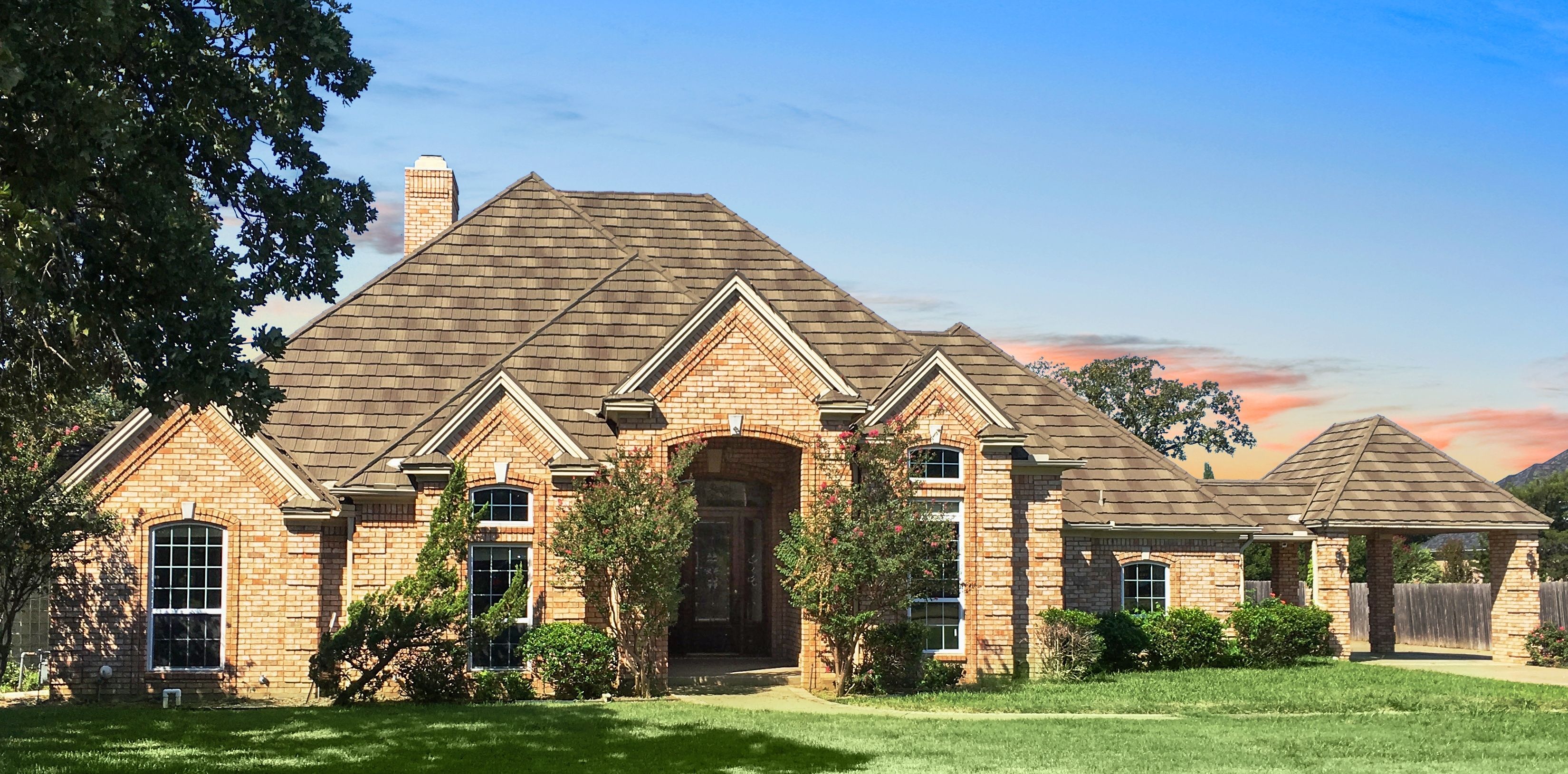
When you choose DECRA stone-coated metal roofing for your home, you get that coveted Class 4 hail rating from UL, along with all the other benefits listed above. But you also get amazing curb appeal.
DECRA is available in a range of hues to match any home’s color scheme. And it comes in profiles that perfectly replicate traditional shingles, shakes, and tiles for the ultimate in style and authenticity.
Want to see what a hail-resistant DECRA metal roof would look like on your home? Try our online visualization tool. You’ll see how you can enjoy protection from hail damage and get a beautiful roof all in one roofing material.