Anyone who lives in South Dakota knows how severe the hail that accompanies intense thunderstorms can be. Don Clement, a resident of Sioux Falls, experienced massive hail in 2022. “The hailstones were so strong that, even though they hit the roof at high speeds, they didn’t break. The stones rolled off the roof and down the driveway.”
The golf ball- and tennis ball-sized hailstones ripped a path of destruction through his neighborhood…but Don’s home survived the ordeal with barely a scratch.
You don’t have to put your home at risk of hail and other weather threats when you choose the right roofing. You want metal roofing, and if you’re looking for a wide range of benefits, DECRA by IKO metal roofing should top your list.
Why Don Chose a DECRA by IKO Roof for His South Dakota Home
Don was lucky to have firsthand knowledge of roof hail protection before buying his home in Sioux Falls in 2008. He visited a farm in Nebraska that a severe hailstorm had just been hit.
“The hail hit this old farmhouse so hard that it knocked off the siding, broke all the windows, and damaged the exterior to the point that it revealed each of the previous ten layers of paint. But the roof on the farmhouse was practically untouched. The only sign of hail impact was a small cosmetic dent.”
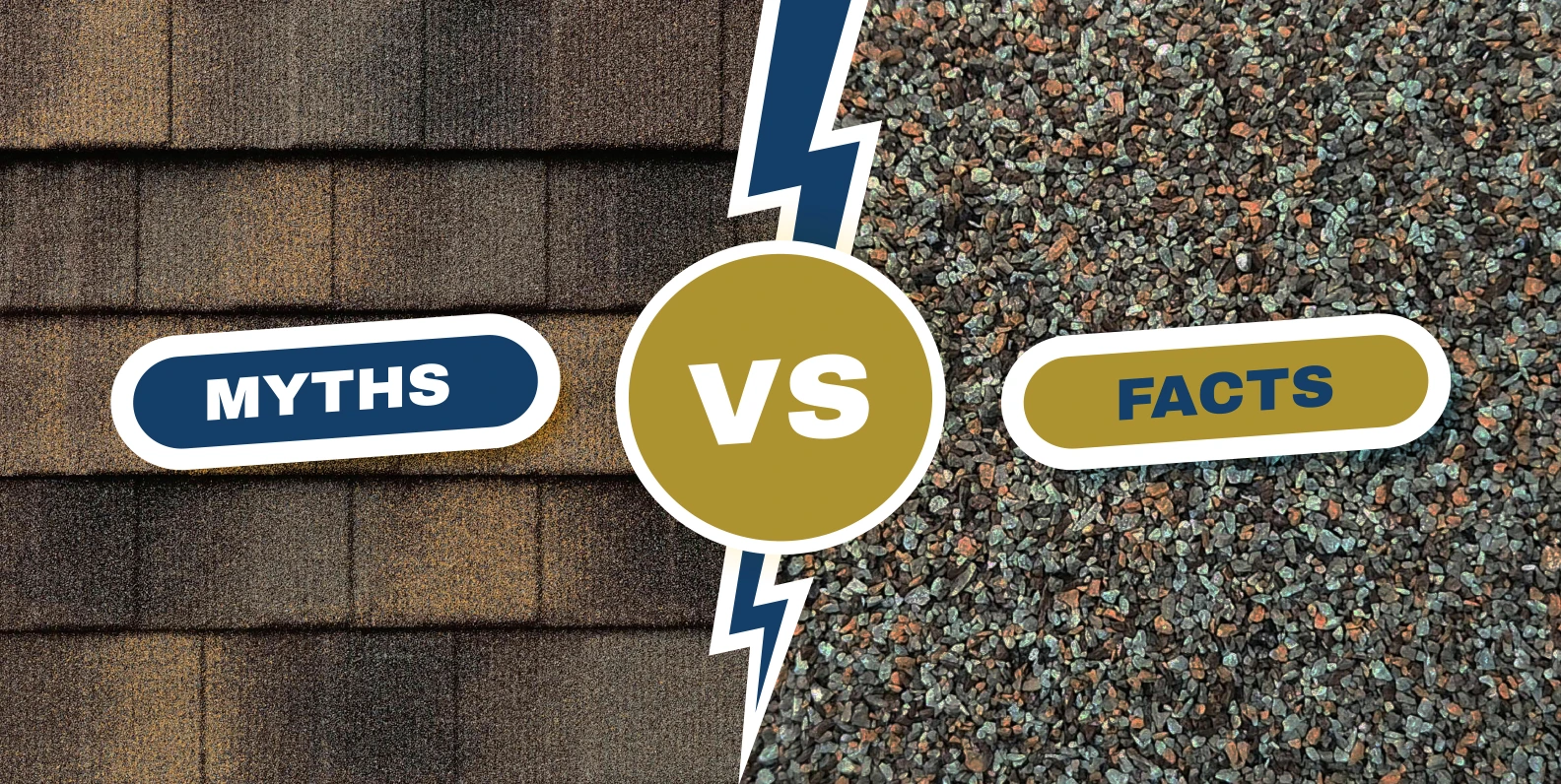
Don soon learned that the roof fared so well because it was a DECRA by IKO metal roof. The unique stone coating on DECRA by IKO roofing has been protecting homes and other buildings for generations. It was originally used in the United Kingdom during the WWII Blitz and discovered to keep structures safe from some of the world’s harshest weather conditions.
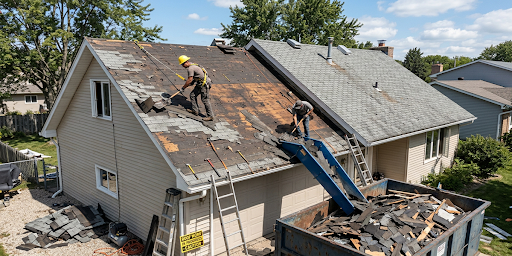
The original roof on Don’s Sioux Falls home was made of asphalt shingles and needed replacement, especially given the severe weather events South Dakotans experience. This is common with asphalt roofing, as it’s often purchased for its lower up-front cost.
But homeowners wind up paying more for asphalt shingles over time, since they need to be replaced every 12 years or so. They’re prone to warping, cupping, cracking, and splitting, as well as degranulation that removes some of their weather protection from the surface. In contrast, metal roofing lasts anywhere from 40 to 70 years, meaning a property owner may only need to install it once in their lifetime.
Remembering the Nebraska farmhouse he visited, Don made the smart choice to replace his asphalt shingle roof with a DECRA by IKO stone-coated metal roof. And was he ever glad he did!
About 15 years later, a devastating hailstorm hit the Sioux Falls area. And Don’s roof reaped the same benefit that the Nebraska home did with its DECRA by IKO roof. Even with the high impact of tennis ball-sized hail, only a few granules were loosened from the roof’s stone coating.
Don mentioned, “After the storm, many of my neighbors needed to have their roofs repaired or replaced, and the neighborhood experienced an influx of roofing contractors knocking on doors offering roof repair services. As soon as I told them I had a DECRA by IKO metal roof, they immediately knew there was no business here and moved on to the next house.”
All Don needed was a granule touch-up kit from DECRA by IKO—easily obtained with a phone call—to fix his roof. His neighbors? They were saddled with time-consuming insurance claims and roof replacements.
South Dakota Is a Growing Hotspot for Hailstorms
It’s worth noting that with every passing year, insurance carriers are becoming more strict about homeowner coverage. Many companies today are using drone aerial inspections to raise premiums or drop policies on homes deemed at risk of future roofing claims.
In 2024, insurance claims for residential roof damage topped $30 billion, a 30% increase from 2022. Wind and hail were largely responsible for these claims.
South Dakota is ranked in the top four US states for hail events, averaging more than 300 hailstorms per year. Hail damage trends have been on nearly a straight upward line since 2000, and the costs are above $15 million in South Dakota alone.
Not surprisingly, Pierre area residents saw baseball-sized hail in July of 2023, a record for the county. And the following year, over 16,000 properties experienced hail greater than one inch in diameter, with hundreds seeing hail nearly two inches across.
That’s why homeowners are turning to DECRA by IKO roofing, which is warrantied against damage from hail as large as 2.5 inches and carries the best impact resistance rating from Underwriters Laboratories (UL). Many homes with metal roofs even qualify for insurance discounts.

DECRA by IKO Metal Roofing Offers Benefits Beyond Hail Protection
Hail isn’t the only weather concern for South Dakota homeowners. Luckily, DECRA by IKO roofing provides other types of weather resistance, as well as a long list of financial benefits:
- Resistance to hurricane-force winds that cause roof uplift at Miami-Dade standards of up to 120 miles per hour
- Protection from wind-driven rain that can seep into tiny openings, independently tested at up to 110 miles per hour.
- The highest fire rating given by UL to offer protection against prairie and wildfires originating outside the home.
- A reflective surface that does not absorb the sun’s rays and instead helps lower warm weather cooling costs by up to 25%
- Lightweight but extremely sturdy construction that can handle the weight of snowstorms and heavy solar panels
- A hollow core that keeps the temperature on the roof stable to discourage the formation of ice dams during freeze-thaw cycles
- The ability to increase a home’s value by up to 6%, which is great for resale or for building homeowner equity
- Lower routine maintenance, with resistance to rust, oxidation, and the growth of moss, lichens, and mold
- Can be installed year-round, even in winter, and can often be installed directly over asphalt shingles
- A sustainable solution when it comes to disposal, as the steel panels can be recycled, unlike many types of roofing material
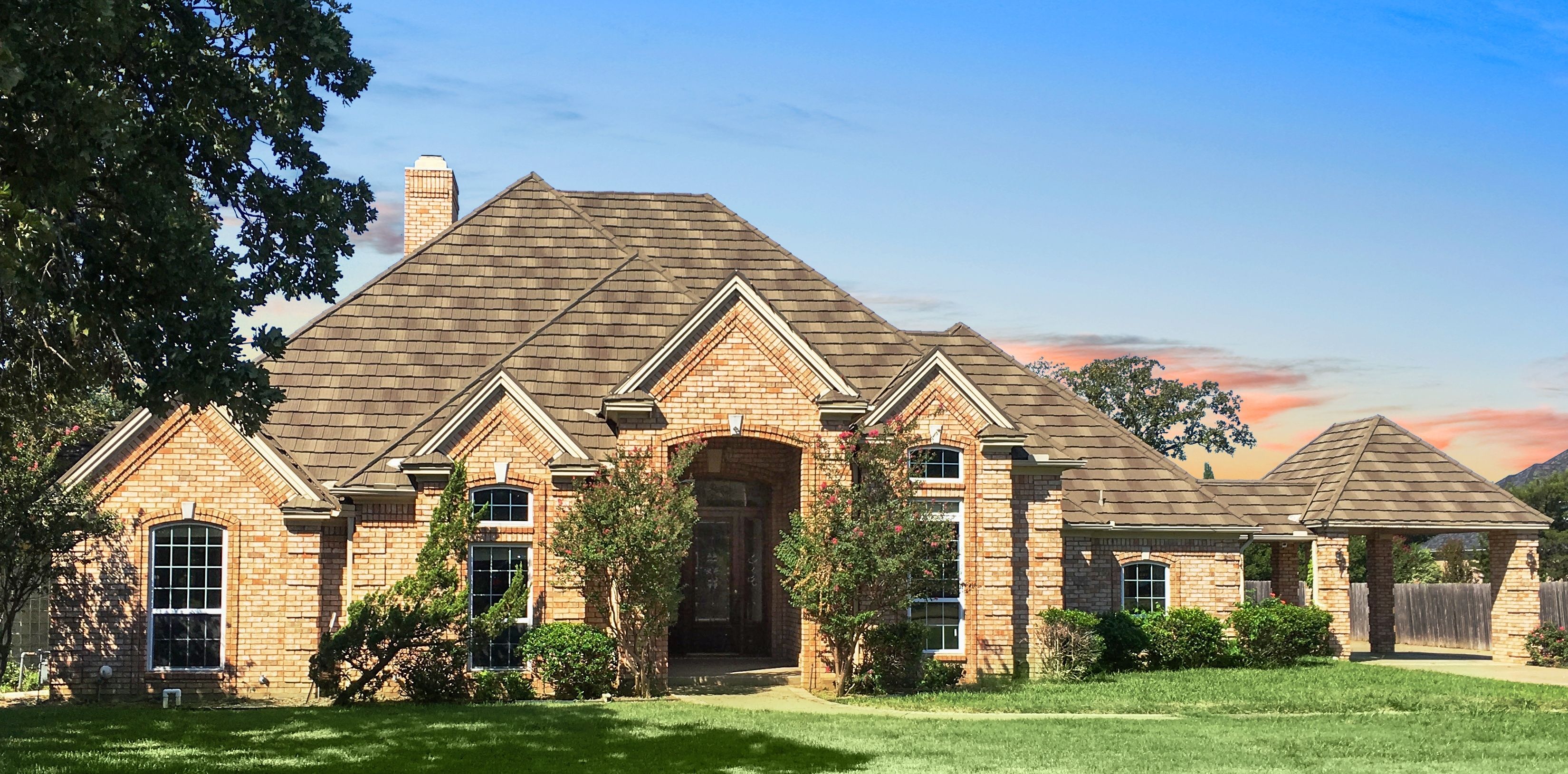
You don’t have to sacrifice curb appeal to enjoy all these advantages of DECRA by IKO roofing. It’s available in an array of colors to match any paint scheme. And the panels are engineered to look just like traditional asphalt shingles, clay tiles, and wood shakes, which makes HOAs and gated communities happy.
How to Tell If Your Roof Has Hail Damage
Not sure if your roof has hail damage from a previous storm? Hailstones leave a calling card that you may have noticed on your car or landscaping after a hailstorm. They typically make divots or dents in roofing that look as if steel balls had been dropped on the house from above.
You may notice small holes in the roof, which can lead to further damage due to water infiltration. If the hail damage goes unnoticed and water seeps in later, you may see warped shingles or rot on the wooden roof decking below.
Even worse, you could have water damage in the attic or upper stories of the home. Often, this looks like brown or yellow stains on the ceiling. You might also smell mold or mildew or hear dripping after a rainstorm.
Hail can also crack or chip ceramic tile or wood shake roofs. This produces similar long-term damage and the potential for water leakage if left unrepaired. You might also observe damage to your chimney, flashing, roof vents, or other roof structures and elements.
See How a DECRA by IKO Would Look on Your Home in the Heartland
Is your roof showing signs of hail damage? South Dakota isn’t the only state in the Upper Midwest to face hail and other extreme weather threats. If you’re ready to protect your home anywhere in the Heartland, DECRA by IKO stone-coated metal roofing should be your first choice.
You can easily see what a DECRA by IKO Metals roof would look like on your home. Just try our online visualization tool to see how beautiful your property would look while also protecting it from hail and all of Mother Nature’s fury.