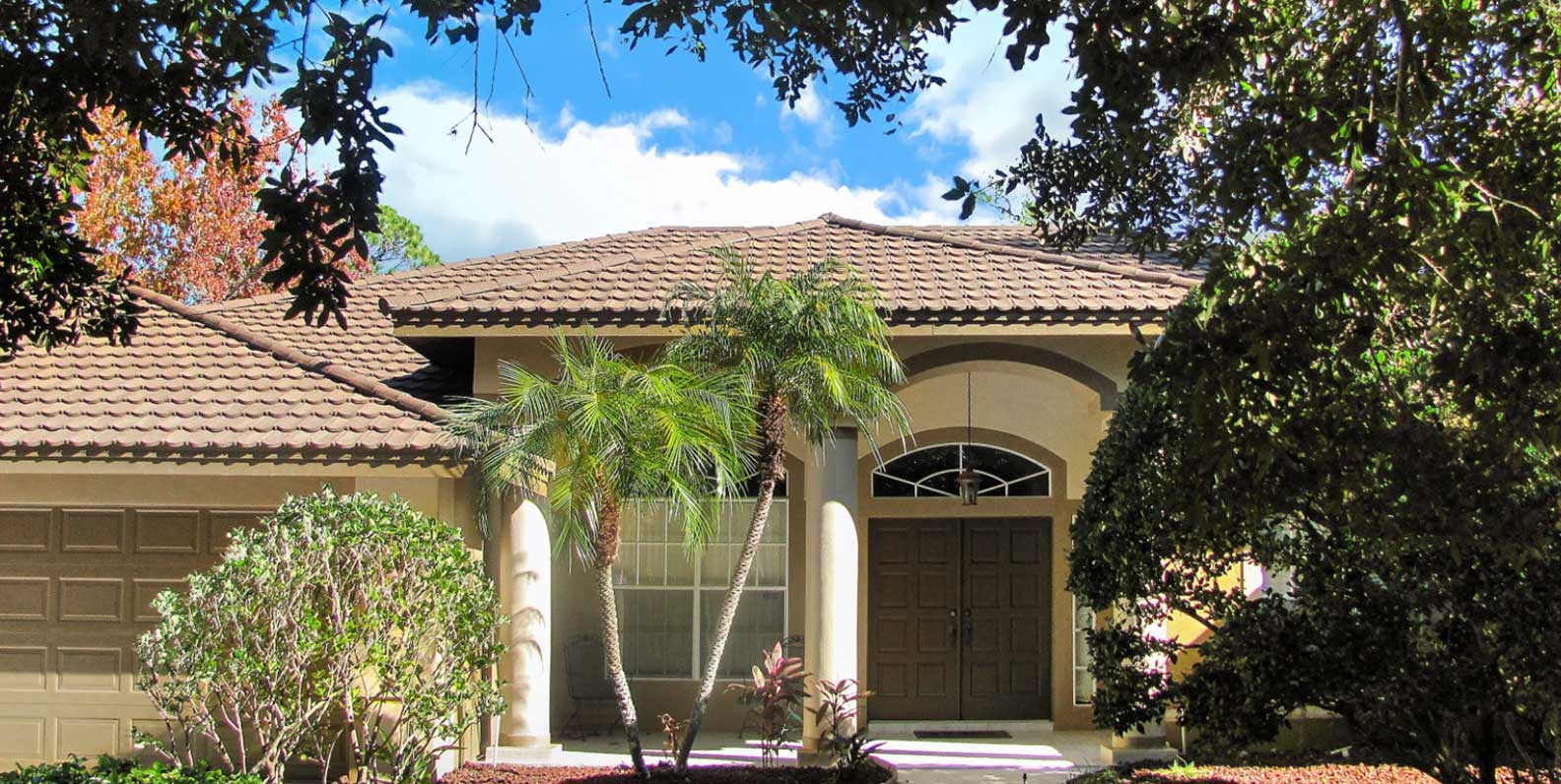
High winds, tropical storms, and hurricanes are a growing concern for Florida homeowners.
In 2024, Hurricane Milton caused an estimated $34.3 billion in damage, according to NOAA's National Centers for Environmental Information (NCEI).
If you’re looking to protect your Florida home from wind damage, you’ve come to the right place.
Here’s what you need to know:
- Why wind-related weather problems are so urgent as we start 2026
- 3 Benefits of Metal Roofing for Florida Homeowners
- Florida building code and roofing incentives that save homeowners money
Florida Homeowners Face Increased Wind-Related Risks
Florida homeowners face a regular risk of wind damage during the annual hurricane season. That season typically runs from the beginning of June through the end of November, though the Atlantic hurricane season has started earlier in recent years, with tropical storms forming as early as April and May.
Just how bad can the hurricane season get?
In a study by Florida-based independent ratings firm Weiss Ratings, more than a third of respondents reported they had moved or were considering moving because of hurricane risks in the Sunshine State.
Others were uneasy about rising home insurance costs or about obtaining coverage, with many property owners—nearly half of those who submitted claims—struggling with reimbursement denials in 2024 after two Florida hurricanes (including Milton) through what insurers dubbed “acts of God.”
But Florida homeowners don’t need to move to protect their homes and families from wind damage. Choosing the right type of roofing material can go a long way toward preventing damage, and ensuring insurance companies will actually cover your home (many insurers have strict roofing demands for Florida properties).
3 Benefits of Metal Roofing for Florida Homeowners
Traditional roofing materials, such as asphalt shingles, clay tiles, and wood shakes, have substantial shortcomings when it comes to performance in severe weather. Metal roofing, on the other hand, provides industrial-strength durability and longevity.
|
Metal Roof |
Clay Tile |
Asphalt Shingle |
|
|
Average Lifespan |
40–70+ years |
40 years |
15–30 years |
|
Wind Resistance |
Excellent |
Good |
Poor |
|
Hail Resistance |
Excellent |
Poor |
Poor |
1. Wind-Resistant Roofing Material
Installing the right roofing material can prevent one of the most common forms of wind damage homeowners experience in Florida: wind uplift.
Wind uplift occurs when strong wind moves over a roof, creating a pressure difference that tugs the roof upward rather than just pushing it down.
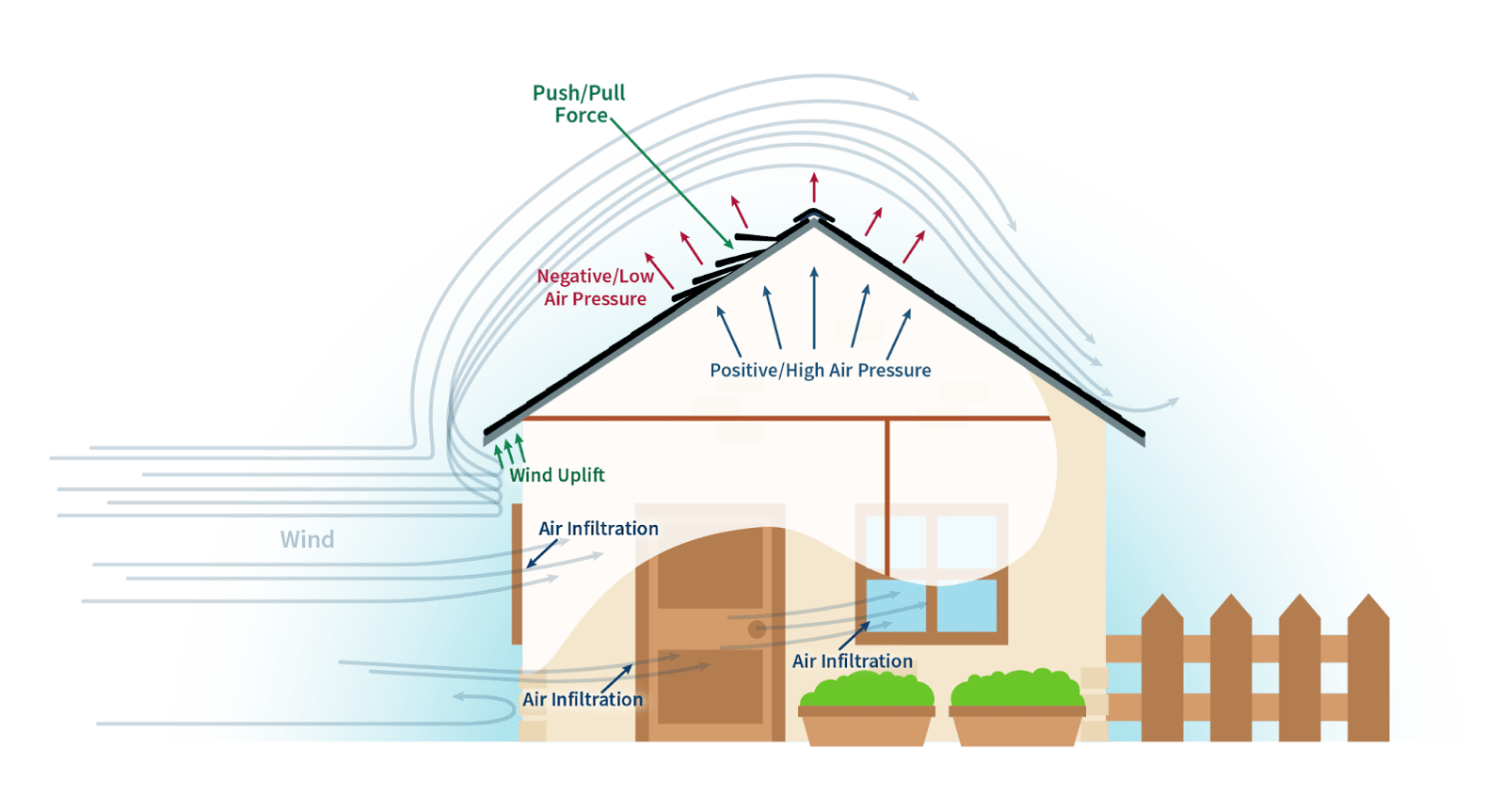
Metal roofing meets Miami-Dade County's wind requirements, which have the strictest building codes in the nation due to the region's high hurricane frequency.
2. Protection from Wind-Driven Rain
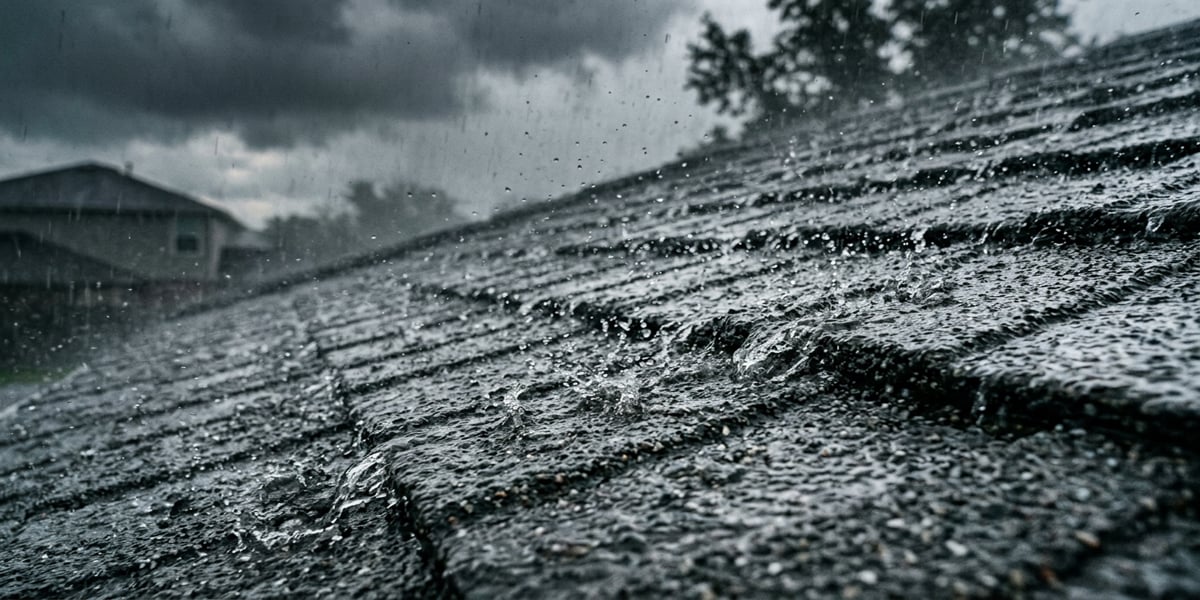
Florida storms—even when they’re not hurricanes—can bring heavy rains, wind, and wind-driven rain. Wind‑driven rain is rainfall carried horizontally by strong winds that strikes the roof and walls rather than simply falling straight down. This is a concern for homeowners because this sideways force can push water beneath shingles and flashings, leading to leaks, wood rot, and mold inside the building. This damage typically occurs around flashing, chimneys, vents, dormers, skylights, and other structures that break up the roof surface.
Resisting wind-driven rain is critical for Florida homeowners, and it’s important to understand how different roofing materials are installed. Metal roofing, for example, uses an interlocking installation system that resists water penetration.
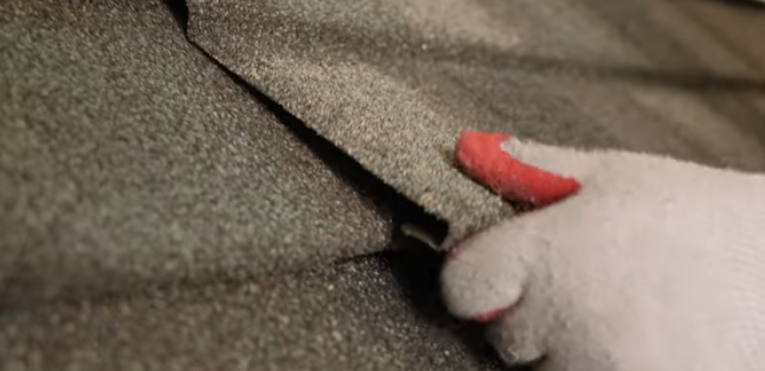
Screenshot from the How to Install DECRA Metal Roofing Youtube guide
By comparison, asphalt shingles and clay tiles are installed as many small, overlapping components that depend on gravity and surface adhesion. In strong winds or heavy storms, they are more likely to lift, crack, or blow off, increasing the risk of leaks and long‑term moisture damage compared to an interlocking metal roofing system.
3. Improved Energy Efficiency
The Florida Solar Energy Center reports that 20% of a typical Florida home’s electricity use is due to heat gains in the roof and attic. So if you’re looking to lower your home’s utility bills during Florida’s stifling hot summers, it makes sense to choose a roofing material like stone-coated metal roofing, which reflects rather than absorbs heat from the sun. Even better, select a lighter color for greater reflectivity.
Read More: What is the Best Type of Roof for Solar Panels?
Other Benefits of Metal Roofing
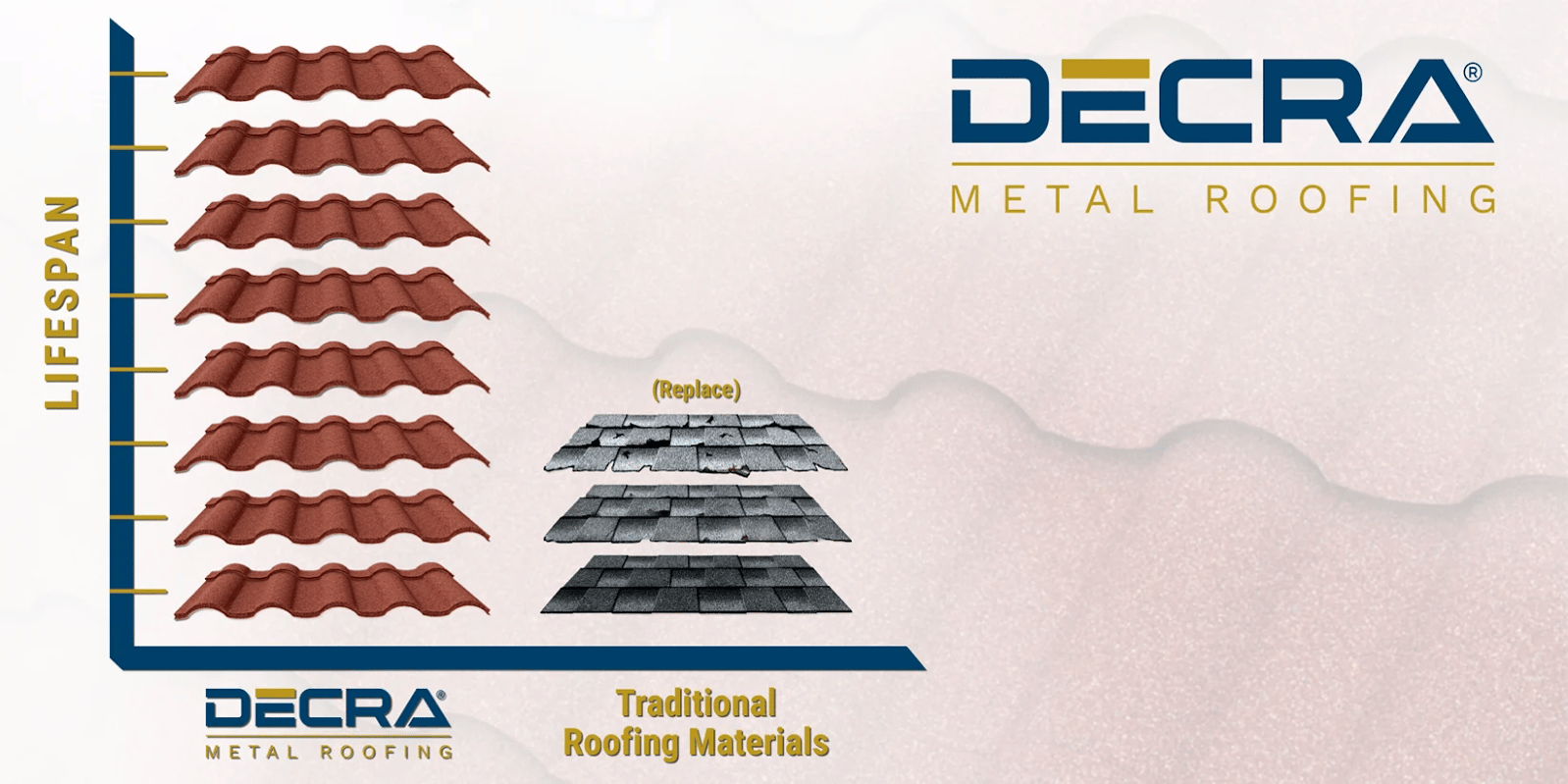
One of the biggest benefits of metal roofing is that it lasts two to three times longer than most other roofing materials. This durability translates into decades of savings on roof remodels, repair costs, and insurance premiums.
Metal roofs provide other benefits beyond just longevity, wind resistance, and energy savings:
- Resistance to hail impact damage, which can be quite costly
- The highest possible fire rating from Underwriters Laboratories
- Potential insurance discounts when others are paying more
- Increase in home value of up to 6% for equity or resale price
- Curb appeal for fussy HOAs and gated communities
- Lower maintenance and resistance to rust and oxidation
Florida Building Code & Roofing Incentives Resources
Recent changes to the Florida Building Code may affect your roof remodel after storm damage. There are additional ways to save money through state-supported incentives.
Florida Roof Replacement Law
This law has undergone several revisions over the past decade. Here are some key compliance points you need to know for 2026:
- If your roof has less than 25% damage and was installed after 2007, you can have it partially repaired or replaced (a cost-saving change from the previous 100% replacement requirement).
- Reroofing now mandates secondary water barriers and hurricane straps (roof-to-wall connections).
- Unless a roof over 15 years old is certified to have at least 5 years of remaining life, it may be non-renewed for insurance coverage.
- Metal roofs are favored by building codes, even if HOAs have historically opposed them.
My Safe Florida Home Program
A roof in need of repair or replacement makes your home more vulnerable to further damage. If you’re not sure if your roof needs work, the My Safe Florida Home initiative offers free inspections for state homeowners. The site can also help you budget for a roof remodel using actual contractor prices in your area. Even better, there are grant reimbursements available to those who qualify, including funds for upgrading windows and doors to protect against wind damage.
DECRA Roofing Protects Florida Homes from Wind Damage
Have you already decided that a new metal roof is for you? DECRA stone-coated metal roofing is a terrific choice and ticks all the boxes on the roofing checklists above.
You can see what DECRA would look like on your home, including metal roofing that mimics shingles, shakes, or tiles. Choose a color that best matches your house, and then use our online visualization tool to see the finished result! You’ll get the perfect combination of curb appeal and superior protection from Florida’s windy weather.