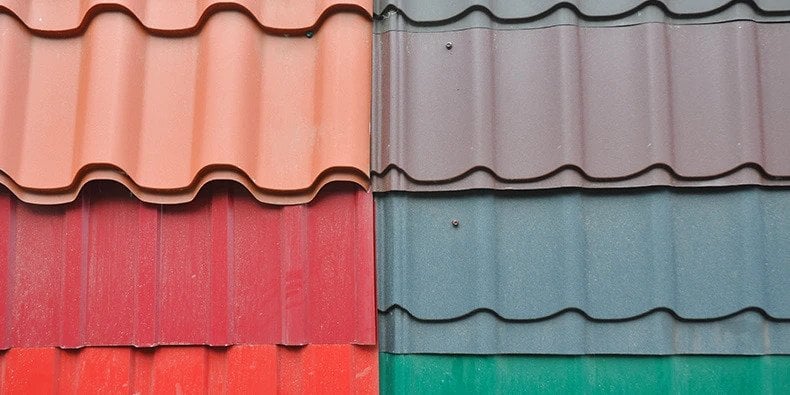
Understanding the differences between the different types of metal roofing can be a bit of a challenge, though, since roofing terminology is often used interchangeably and references multiple types of roofing systems, materials and fastening methods.
Take corrugated metal roofing, for example. Corrugated metal roofing is also known as sheet metal roofing, screw-down panel roofing, a 5V crimp or an exposed fastener roofing panel.
Things get even more confusing when you consider that metal roofing can be made from several different types of metal, including aluminum, copper, zinc or steel.
To help you navigate roofing terminology and find the perfect metal roof for your home, we’ve put together an easy-to-digest guide that covers everything you need to know about the different types of metal roofing, including:
What Are the Two Main Types of Metal Roofing Fasteners?
Before we jump into the different types of metal roofing, let’s start with an easy question: Which of the two metal roofing styles below do you prefer?
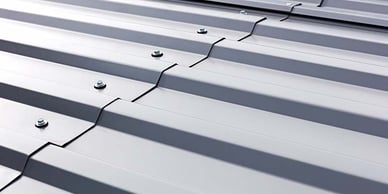
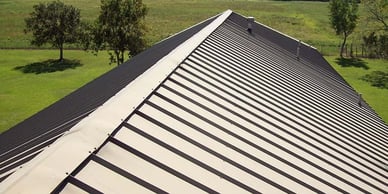
Metal roofs are firmly secured in place with fasteners. There are two common styles of metal roofing fasteners to choose from: exposed fasteners or hidden fasteners. The roof on the left has visible fasteners, also known in the roofing industry as an exposed-fastener metal roof. The roof on the right has hidden fasteners that are concealed underneath the panels.
While both provide the durability and longevity that metal roofing is known for, they differ in appearance, maintenance, and installation.
Exposed Fastener Metal Roofing
Exposed fastener roofing uses screws that are installed through the face of the metal panel, leaving the fastener heads visible.
This is a common choice for corrugated metal roofing and is often found on barns, agricultural buildings and other structures. Some homeowners also choose exposed fastener panels for modern farmhouse or industrial-style homes.
Exposed fastener systems can be more affordable and straightforward to install. However, they also require regular attention to the fasteners and rubber washers that help keep water out.
As metal expands and contracts with changes in temperature, movement can put stress on fasteners and washers over time. This means exposed fastener roofs may require more frequent inspections and maintenance.
Concealed Fastener Metal Roofing
Concealed fastener systems hide the screws underneath the roofing panels, protecting them from direct exposure to the elements.
Standing seam metal roofing is one of the best-known examples. Some stone-coated metal roofing systems also use concealed fastening methods.
Hidden fasteners create a cleaner appearance and eliminate exposed screw heads across the surface of the roof. They can also reduce potential leak points and the amount of maintenance required over the life of the roof.
For homeowners looking for long-term performance and a streamlined appearance, concealed fastener systems are often an attractive option.
What are the Main Types of Metal Roofing Styles?
Metal roofing can meet the design and architectural needs of practically any style. Here are three of the most common types of metal roofing styles.
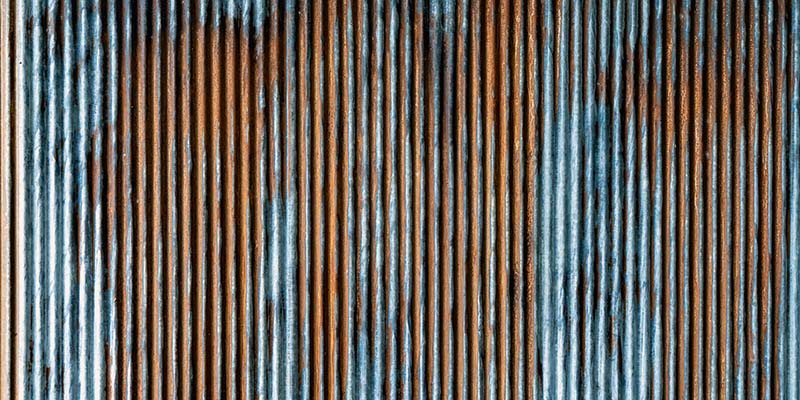
Corrugated Metal Roofing
The word corrugated refers to something that is “shaped into wavy folds or alternating furrows and ridges.” A corrugated metal roof is just that: metal sheets that are shaped into a corrugated pattern.
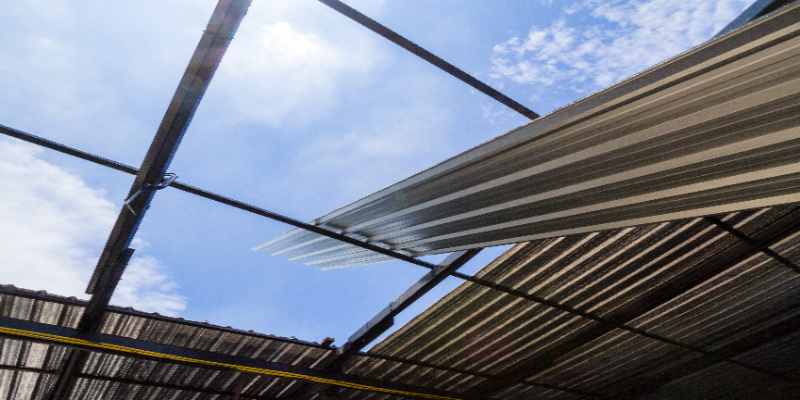
Corrugated metal roofing was traditionally associated with barns, agricultural buildings and industrial structures. Today, it has become popular with homeowners looking for a modern farmhouse, rustic or industrial appearance.
Most corrugated metal roofs are made from aluminum or steel, although copper is also available. The corrugated shape adds strength to the panels, resulting in a durable and relatively lightweight roofing system.
Corrugated metal roofs typically use exposed fasteners, which contribute to their distinctive industrial appearance.
Advantages of corrugated roofing include:
- Lower upfront cost
- Lightweight construction
- Straightforward installation
- Wide availability
- Multiple metals and finishes
However, homeowners should consider the additional maintenance associated with exposed fasteners and the more industrial appearance of corrugated panels. If keeping costs low is your main concern, corrugated roofing can be one of the more affordable ways to get the benefits of a metal roof.
Standing Seam Metal Roofing
Standing seam metal roofs are wide, flat vertical panels that have a raised rib on each side of the panel. The panels connect at the seams, while hidden fasteners secure the roof underneath.
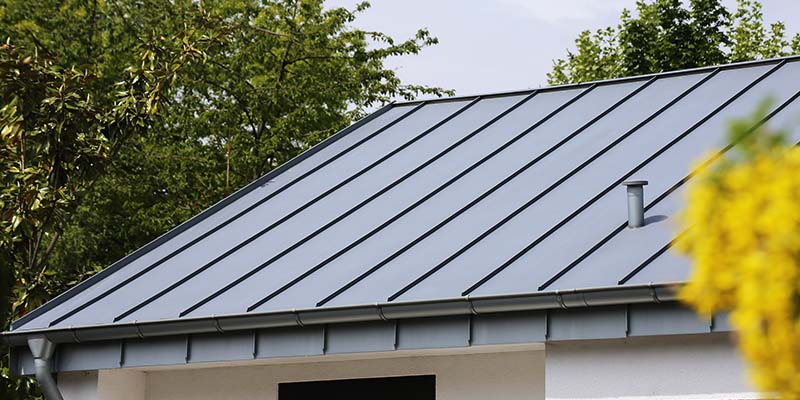
Since the fasteners are concealed beneath the panels, standing seam roofs have a sleek and streamlined appearance that works particularly well with contemporary homes, cabins and modern architectural designs. Standing seam metal roofs are typically made with steel, but can also be made with aluminum or copper.
Advantages of standing seam roofing include:
- Concealed fasteners
- Excellent weather resistance
- Lower maintenance requirements
- Clean, modern appearance
- Exceptional long-term durability
- Compatibility with clamp-mounted solar systems
The main consideration is cost. Standing seam roofing generally has a higher upfront price than corrugated panels and typically requires more specialized installation.
Stone-Coated Metal Roofing
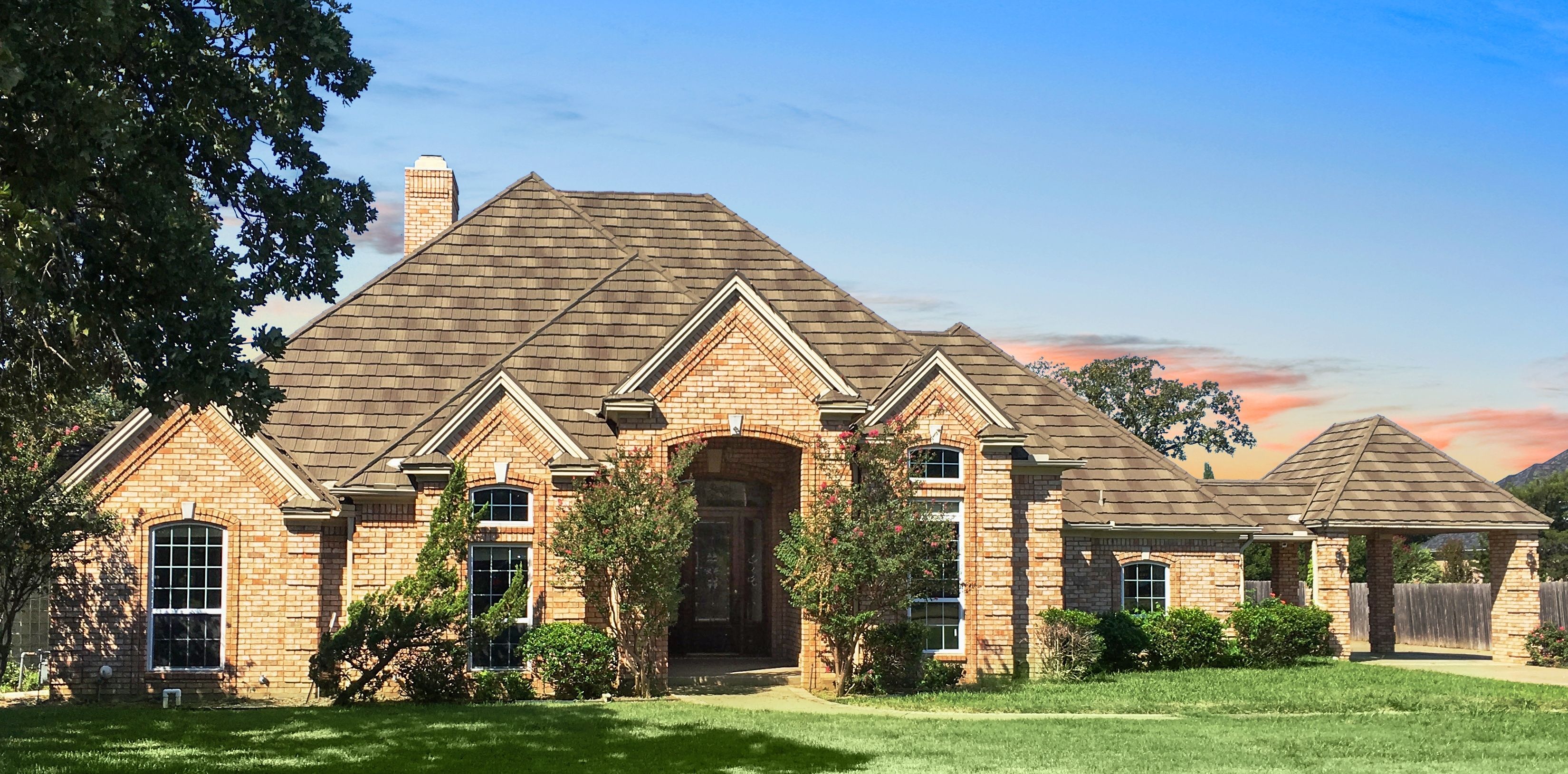
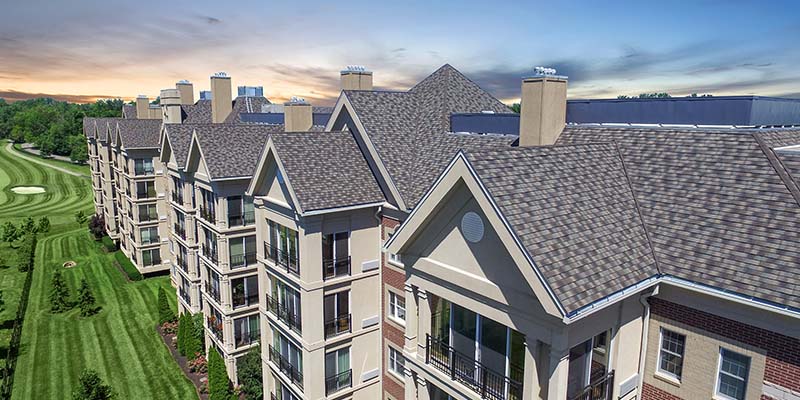
Stone-coated metal roofing begins with sheets of steel that are formed into roofing panels. The panels are then coated with stone granules to achieve the texture, dimension and vivid colors of traditional roofing materials.
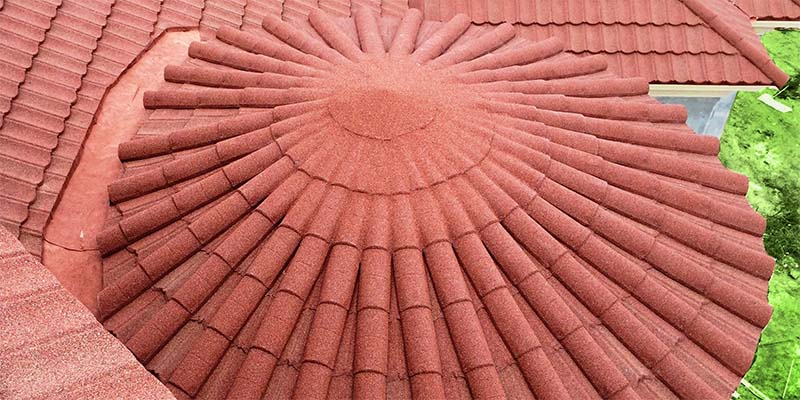
From architectural shingles to Spanish clay tiles, slate and rustic cedar shakes, stone-coated metal roofing provides the benefits of metal roofing without compromising style. Stone granules provide more than just design versatility. They also:
- Increase Energy Efficiency: Infrared pigments in the granules can increase the natural solar reflectance of steel for superior energy efficiency, as verified by the U.S. Department of Energy.
- Reduce Rain Noise: Unlike bare metal panels, stone-coated metal roofs can be surprisingly quiet when it rains. The stone granules help absorb sound and reduce the drumming effect associated with exposed metal panels.
- Provide Design Flexibility: Stone-coated steel can replicate the appearance of traditional roofing materials while providing the strength and durability of steel.
If you want the performance of metal roofing but prefer a traditional residential appearance, stone-coated metal roofing is an option worth considering.
What are the Main Types of Metal Roofing Materials?
While the style of metal roofing determines how the roof looks and is installed, the material itself also plays an important role in performance, cost and longevity. The most common metal roofing materials include steel, aluminum, copper and zinc.
Steel Roofing
Steel is one of the most widely used metals for roofing because it offers a good combination of strength, durability and cost. Steel can be used for corrugated panels, standing seam roofing and stone-coated metal roofing.
Steel roofing offers:
- High wind resistance
- Excellent impact resistance
- Broad color and style options
- Cost-effective performance
- Long service life
For homeowners looking for a balance between performance and cost, steel is one of the most versatile metal roofing materials available.
Aluminum Roofing
Aluminum roofs are available in standing seam, corrugated panels, rolled sheets and shingles. One of aluminum’s biggest advantages is its natural resistance to corrosion, making it particularly well suited for coastal environments.
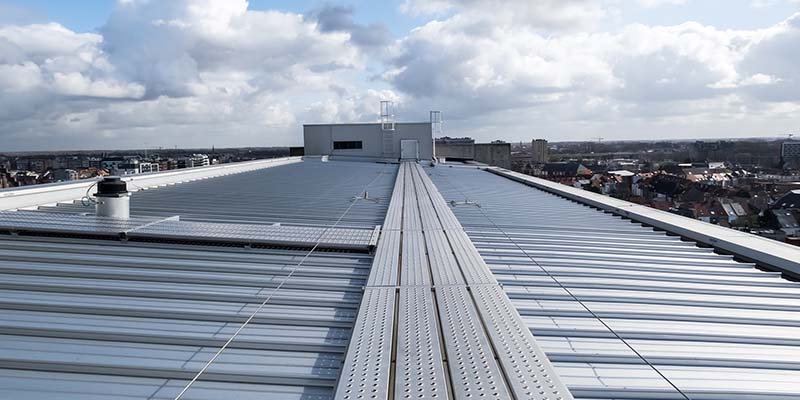
Aluminum roofing offers:
- Lightweight construction
- Excellent corrosion resistance
- Coastal suitability
- Energy-efficient reflective properties
However, aluminum is softer than steel, which means it can be more susceptible to denting from hail or falling branches.
Copper Roofing
Copper is one of the most expensive metal roofing materials, but it is also one of the most distinctive. Over time, copper develops a protective surface called a patina. This gradually changes the appearance of the roof while helping protect the underlying metal from corrosion.
Copper roofing offers:
- Distinctive architectural appearance
- Exceptional longevity
- Natural corrosion resistance
- Low maintenance requirements
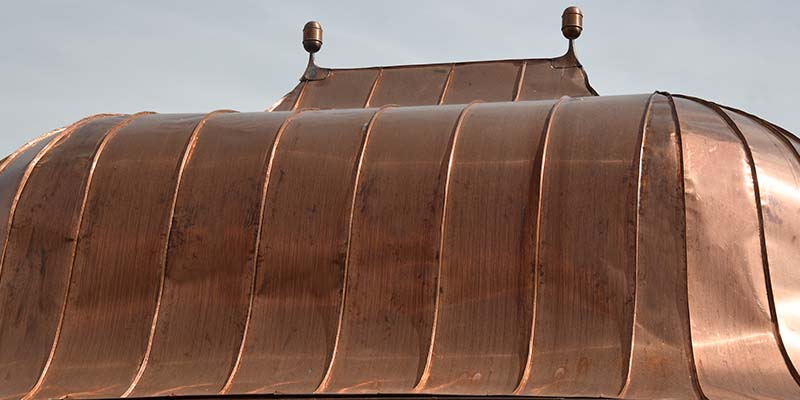
The biggest drawback is the price. Copper can cost considerably more than steel or aluminum, making it a premium roofing material.
Zinc Roofing
Zinc roofing has not gained the same traction in North America as steel or aluminum, but it is much more common in Europe. One of the biggest benefits of a zinc roof is its ability to form a protective surface patina. The patina helps protect the zinc from corrosion and can even repair minor scratches over time.
Zinc roofing offers:
- Outstanding longevity
- A self-protecting patina
- Excellent corrosion resistance
- Low maintenance requirements
The appearance and development of zinc’s patina can vary depending on environmental conditions, and the material typically comes at a premium price.
Stone-Coated Steel
Stone-coated metal roofing incorporates zinc and aluminum alloys into the manufacturing process, along with an advanced acrylic formula that bonds the stone coating to the steel. The result is a roofing system that combines the strength of steel with the appearance of traditional roofing materials.
Stone-coated steel requires little-to-no maintenance and offers excellent resistance to wind, hail and fire. The infrared-reflective properties of the stone coating can also contribute to energy efficiency.
Which Metal Roof Is Best for Your Home?
With so many different types of metal roofing available, the “best” metal roof ultimately depends on what matters most to you.
|
What matters most |
Metal roofing type to consider |
|
Lowest upfront cost |
Corrugated metal |
|
Modern architectural appearance |
Standing seam |
|
Traditional residential appearance |
Stone-coated steel |
|
Coastal environment |
Aluminum |
|
Lowest maintenance |
Standing seam or stone-coated steel |
|
Longest lifespan |
Copper or zinc |
|
Balance of cost and durability |
Steel |
About DECRA Metal Roofing
DECRA Metal Roofing products are engineered to bridge the gap between industrial durability and architectural beauty.
As the original stone-coated metal roofing manufacturer, DECRA metal roofs have withstood the test of time since 1957. Manufactured at our state-of-the-art facility in California, DECRA metal roofs are tested above and beyond the requirements to ensure the quality that DECRA is known for is present in each and every metal roofing panel we produce.
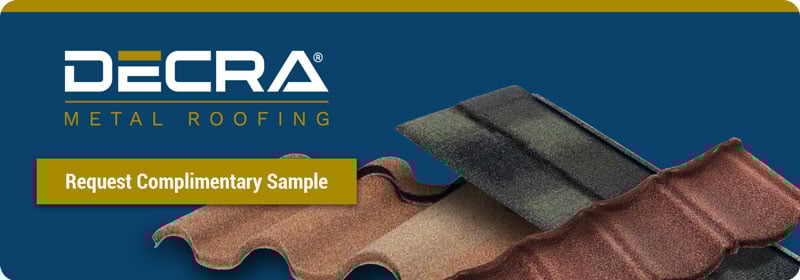
Want to see and feel the DECRA difference? Click here to order a free sample.