With the Atlantic tropical storm season already upon us in the US, many homeowners are looking for roofing that can withstand hurricane-force winds.
Metal roofing is designed to withstand hurricane-force winds. But before you opt for a metal roof with your next roof remodel, it’s smart to understand why this investment can be so worthwhile.
Hurricane Season Is Longer and More Intense Now
Traditionally, June 1st marked the start of the Atlantic tropical storm and hurricane season. However, new research shows that over the last decade, moving that date to May would have been more accurate eight out of 10 times. Savvy homeowners in Florida have started preparing for hurricanes earlier.
And they’re correctly expecting them to be even more devastating. What makes a hurricane more intense?
- Stronger winds, with higher sustained wind speeds
- Heavier rainfall due to more moisture in warmer air
- Bigger storm surges and more flooding incidents
- Rapid intensification—storms becoming suddenly stronger
Another alarming trend is the growing percentage of Category 4 and 5 hurricanes. Even worse, these hurricanes tend to linger over land longer, dumping more rain and ravaging property with sustained high winds.
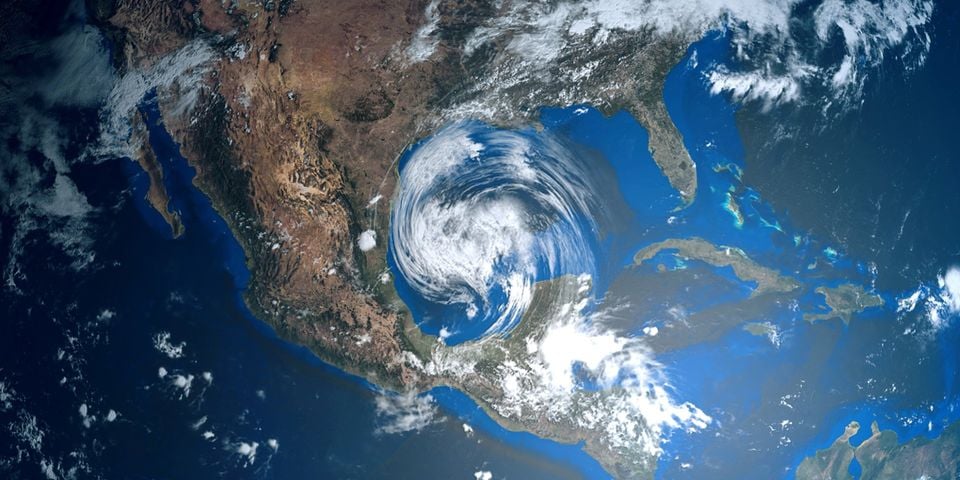
We saw just how damaging this can be in September of 2024, when Hurricane Helene made landfall in Florida. Not only did it wreak havoc on the Sunshine State and nearby areas of the Southeast, but it also continued inland, causing extensive damage as far north as western North Carolina, Tennessee, Indiana, and Ohio.
What’s fueling these monster storms? A warming planet means hurricanes draw energy from ever hotter oceans. These storms quickly intensify as they move across the open ocean.
Super El Niño In Progress in 2026
And the worst may be yet to come in 2026, when experts predict a super El Niño is likely. This time, Western states may also see an increase in severe storms, including hurricanes.
An El Niño is a natural weather phenomenon in which water over a large portion of the Pacific Ocean is warmer than normal, resulting in unusual weather across much of the globe, especially North America. A super El Niño is a term for when sea surface temperatures are even higher than normal, so the weather patterns it causes may be even more severe.
Typically, an El Niño year sees fewer extreme storms in the Atlantic. That’s because this weather pattern often suppresses hurricanes before they can develop into serious threats. But because ocean water temperatures have been so high on both sides of the US, meteorologists aren’t sure how 2026 will play out. They’re still urging caution for residents of the Southeast, where hurricanes may develop despite the El Niño pattern. And they warn that just because an El Niño year is quieter than normal doesn’t mean extreme hurricanes won’t come roaring back the next season.
People who live on the West Coast don’t know what to expect either. While hurricanes are rarer on that side of the country, storms later in the year can bring torrential rain and high winds, even if they are not technically hurricanes. Even the tail end of a hurricane that has been downgraded to a tropical storm can be disastrous. This is what happened in 2023 with Hurricane Hilary, which slammed into Mexico’s Baja Peninsula before turning northward toward Southern California, with sustained winds of 50 miles per hour.
The Cost of Hurricane Damage to Homeowners
All of these mega storms have something in common: they can cost homeowners thousands, particularly if they don’t have the right protection for their homes. New construction and homes undergoing major renovations can add hurricane straps to reduce roof damage.
But what about other properties? They need the right kind of roofing engineered to weather hurricanes and tropical storms. We discuss that in more detail in the section below. Meanwhile, let’s look first at the consequences of not having adequate roofing protection for your home when a hurricane hits.
Five of the 10 costliest hurricanes in the US have occurred in the last decade. The average insured loss for each was well into the tens of thousands. In 2025 alone, the reconstruction value for hurricane wind risk in Gulf and Atlantic states totaled $11,675.9 billion for over 33 million properties.
Insurance Might Not Cover You
Today, many people still shrug and assume their insurance will cover similar events this year or in years to come. However, that logic is faulty due to the following:
- You could be denied a claim, as happens after many weather incidents.
- Your insurance policy may not cover damage to an aging or subpar roof.
- Your insurance claim may pay out less than the cost of installing a new roof.
- Many insurance carriers are withdrawing entirely from high-risk hurricane areas.
- You still have to pay your deductible when filing an insurance claim for damage. And you still have to pay your deductible when filing an insurance claim for damage.
And of course, you may lose precious belongings and one-of-a-kind possessions if roof damage allows the elements into your home’s interior. No amount of money can bring those back.
Then there’s the less tangible cost of the inconveniences following serious roof damage. You could be out of your home for months. Once repairs begin, you’ll wind up taking time off work and other responsibilities to deal with the headache of reconstruction.
A better solution is to protect your home from the start with roofing material that’s tested against hurricane threats, like stone-coated metal roofing. Choose the right metal roof, and you can even enjoy insurance discounts and longer protection under replacement cost value (RCV) coverage than with other roofing types.
The Big 3: Roofing Threats from Hurricanes
1. Wind Uplift
All kinds of windstorms can damage a roof. But hurricanes are unique because of their air pressure. When the air pressure below the roof is greater than the pressure above the roof, it can peel right off the home, a process called wind uplift. It’s exacerbated by internal air pressure that can seep through cracks in the roof.
Therefore, you want a roof designed to stay in place even under these conditions. Look for:
- Roofing material like metal that is resistant to splitting and loosening in wind, unlike traditional clay tiles or wood shakes
- Roofing systems that are installed with an interlocking panel arrangement to keep layers in place and prevent wind infiltration
- Roofing products that have been successfully tested in Miami-Dade’s hurricane-force conditions of winds up to 120 miles per hour
2. Hail and Storm Debris Impact
Layers of hot and cold air in tropical storms can precipitate hail. Hailstones, along with the impact of flying debris, are another concern during hurricane season.
What’s the answer? A metal roof that won’t chip, crack, warp, or form divots from hail damage. Look for roofing that carries a Class 4 impact rating from Underwriters Laboratories (UL). Even better, find a roofing solution that is hail-warrantied up to 2.5-inch hail—about the size of a tennis ball.
3. Wind-Driven Rain
Multiple factors can leave a roof vulnerable to wind-driven rain that seeps through small openings. This can lead to damage to the roof decking or even leakage into the home’s interior.
Hail damage and wind uplift can clearly put a roof at risk for wind-driven rain intrusion. And old or poorly installed roofing may not prevent it either.
Your best bet, once again, is a roof with a tight installation system to minimize openings. The top roofing manufacturers also independently test their roofing against wind-driven rain in storm conditions.
DECRA by IKO Metal Roofing Stands Up to Hurricanes
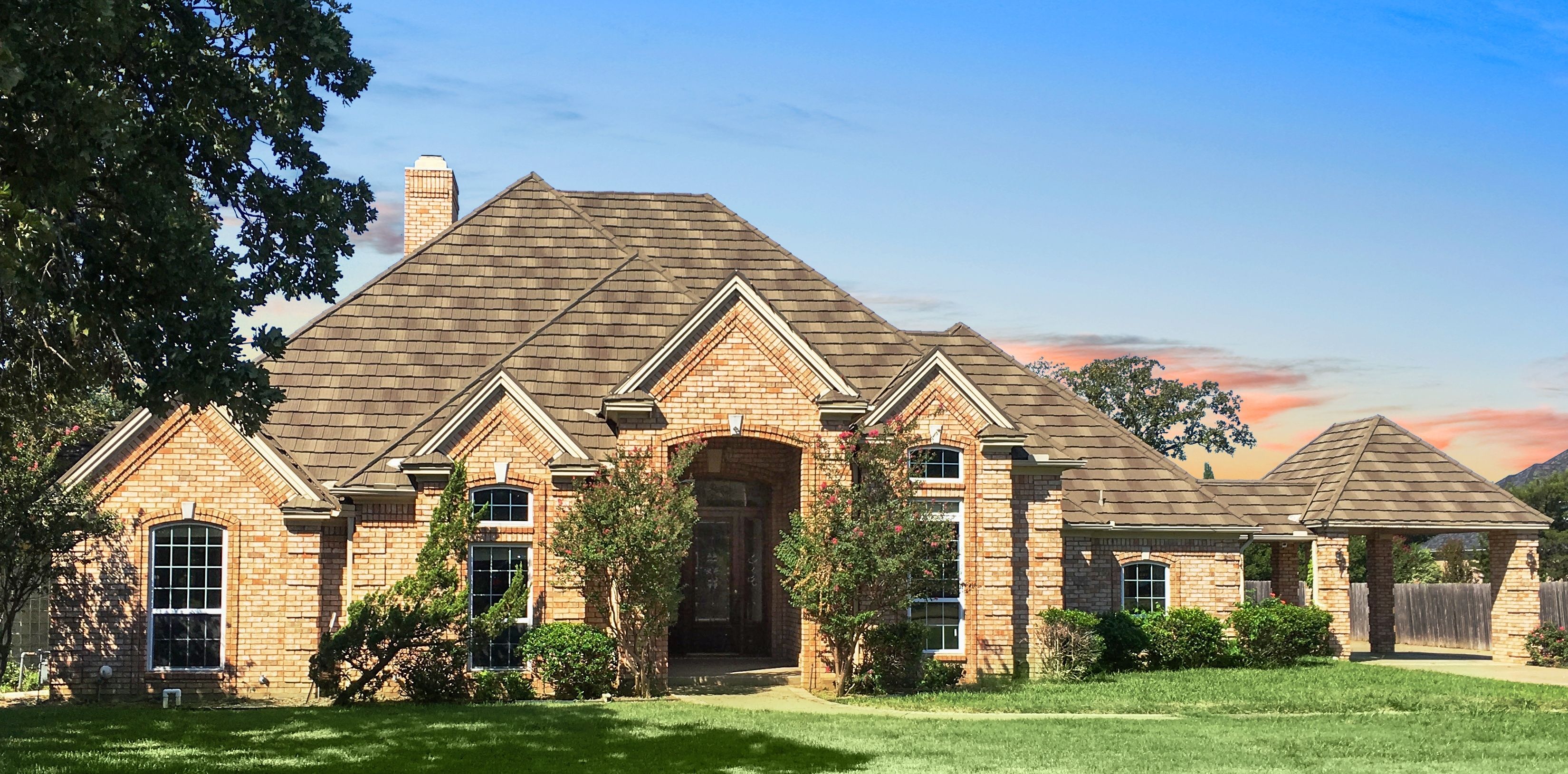
Ready for a roof that checks all the boxes against hurricane high winds and other storm threats? It's a DECRA by IKO stone-coated metal roof you’re seeking.
DECRA by IKO offers numerous other benefits, including energy efficiency and increased home value. And it comes in a range of colors and profiles that mimic shingles, shakes, and tiles, matching any home’s style.
See for yourself how DECRA by IKO is engineered to withstand hurricanes. Request a complimentary sample today.