With the 4th of July approaching, you may be worried about what would happen if a stray firework hit your home’s roof. The reaction depends entirely on the roofing material. We explore this topic in more detail in this article, including:
- Why fireworks—even supposedly “safe” ones—are a serious danger for homeowners
- How noncombustible metal roofing is a top way to protect a home against fireworks
- The additional weather and financial benefits of choosing the right metal roofing
- How to stay safe on Independence Day and year-round in case of wildfire
Fireworks aren’t just a July 4th hazard anymore. Social media is full of posts saying that people are lighting them off illegally throughout the year. You can help protect your home 365 days a year with a metal roof, for that’s also an advantage in high-risk wildfire areas.
The Safety Hazards of Fireworks
Obviously, you should never use fireworks at home if they are illegal in your community. Many towns ban personal use of fireworks because of the safety issues we’re discussing here.
But what if your municipality allows fireworks? Or what if you have scofflaw neighbors who ignore regulations about home firework celebrations? It’s wise at this time of year to understand the potential hazards of fireworks.
There’s a reason professionals handle those public firework displays you see around Independence Day and New Year’s Eve. Of course, there’s the risk of personal injury, like burns, amputations, and other wounds. In 2024, for example, 11 people died of fireworks-related injuries.
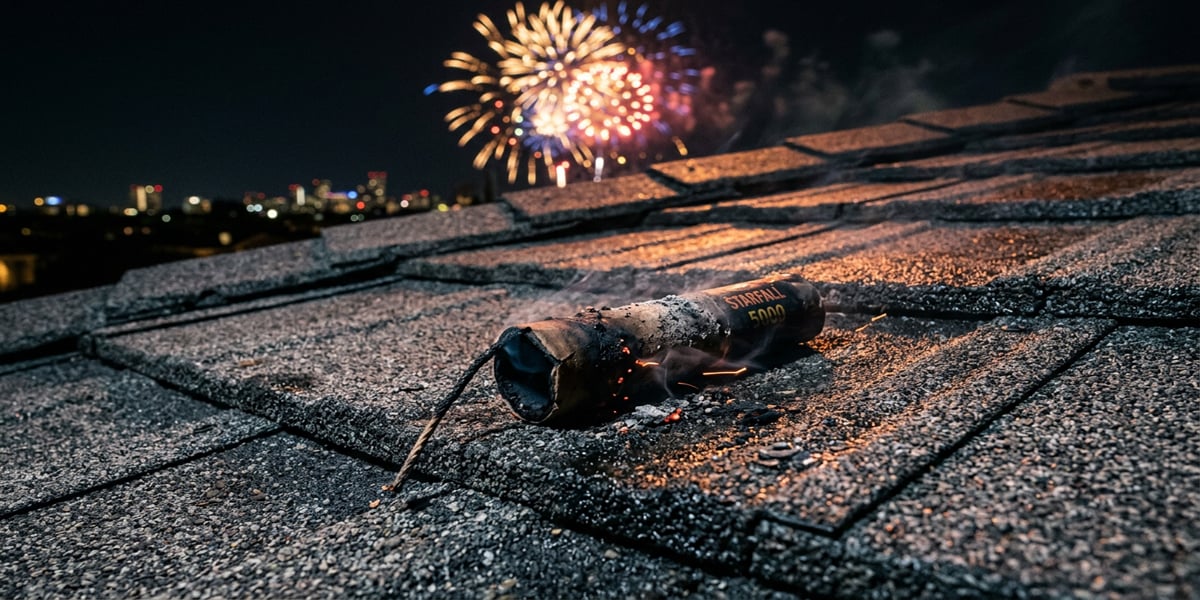
But even small projectiles can misfire or send sparks flying. It’s all too easy for a roof or shrubbery to catch on fire from stray embers. If it’s windy or if trees are grouped close together, the fire can spread in minutes, taking out entire neighborhoods.
One misuse of pyrotechnics can result in damage to homes, evacuations, and sick pets or livestock. On the 4th of July, many fire departments are stretched so thin that they can’t reach every fire as soon as they’d like to. That increases the risk for everyone.
Metal Roofing Is Noncombustible
If you’re worried about your home surviving an onslaught of fireworks, a metal roof is one key to protecting it. Metal roofing is noncombustible, so it won’t catch on fire if a stray ember or even a lit firecracker lands on it.
All roofing comes with fire ratings from Underwriters Laboratories (UL). This independent agency tests construction and consumer products for safety. You want a roof that has earned a Class A fire rating from UL. This top rating means that your roof won’t ignite from fires originating outside the home. And it will stay in place even when other roofing materials might melt or slide off the roof.
It’s not only the 4th of July that poses a fire threat to homes across the country. Wildfires—long a concern in Western states—are now becoming more common in the eastern half of the nation. Drought conditions, rising temperatures, and lightning strikes have contributed to this trend.
So, having a fire-resistant roof is smart for the other 364 days of the year, too. In fact, metal roofing was credited with helping save multiple homes after the devastating Los Angeles fires of 2025. And combustible roofing, such as wood shakes, is banned in some high-risk areas, including the City of LA.
Metal Roofing Offers Other Benefits, Too
The great thing about metal roofing is that it offers a host of advantages, both for weather protection and long-term cost savings. Choose the right product, and you can enjoy:
- A Class 4 impact resistance rating for hailstones and other storm debris
- Warranty coverage for wind uplift, even in hurricane-force winds of 120 miles per hour
- Protection from damaging wind-driven rain during severe storms
- Energy efficiency that lowers warm-weather cooling costs by up to 25%
- Lightweight but sturdy construction to handle heavy snowfall and solar panels
- A hollow core that keeps roof temperatures stable to discourage ice damming
- Insurance discounts when companies are dropping coverage for others
Plus, metal roofing lasts two to three times longer than traditional tiles, shakes, and shingles.
Insurance and Safety Tips for the 4th of July
Safety for Fireworks and Accidental Fires
Whether you want to enjoy legal fireworks safely or you’re worried about illegal use in your neighborhood, here are some tips to improve safety:
- Only use fireworks that are permitted by law in your area.
- Adults should handle all fireworks, and young children should keep their distance.
- Never try to relight a firework that has malfunctioned (a “dud”).
- Use fireworks—even “harmless” sparklers—away from the home, vegetation, and combustible property. A sandy surface or pavement is preferable.
- Have a fire extinguisher, sand, or a hose at hand in case of sparks.
- Know the procedure for calling the fire department and reporting illegal fireworks use (may be a separate number).
- Understand that you may be required to provide evidence of a neighbor’s illegal fireworks or first responders might need to witness the event if making a report.
The problem of illegal fireworks has become so serious that some areas have resorted to using drones to catch lawbreakers.
Make Fire Safety a Year-Round Priority
Is fire a regular threat where you reside? Create a defensible zone around your home. Trim back trees and shrubs, and consider making a buffer zone of at least 10 feet with no vegetation around the house.
Keep your gutters free of pine needles, twigs, and other combustible material. Enforce a no-smoking rule anywhere near the home, barn, stables, or other outbuildings. Use electric lighting in place of traditional candles.
Teach kids about fire safety, and practice fire drills. Plan possible evacuation routes in case of wildfire. Have a “go bag” ready during red flag days. Apps like Watch Duty can alert you to fires in your area and any evacuation warnings or orders.
What If You Need to File an Insurance Claim?
You may need to file a damage claim if your fireworks or a neighbor’s get out of control. Know your insurance policy and what’s covered.
Understand that your claim will probably be denied if you were using illegal fireworks or were demonstrating gross negligence, such as operating pyrotechnics while under the influence. Likewise, if a neighbor’s illegal use damaged your property, their liability policy may or may not cover your losses. You may have to resolve the issue in court.
When filing a claim, document everything with photos or videos. If there was a police or fire department report, be sure to include it with your claim.
DECRA Metal Roofing Carries a Class A Fire Rating
Reduce the risk of your home catching fire from outside with DECRA stone-coated metal roofing. Not only does it have a Class A fire rating from UL, but it also checks all the boxes for extra benefits listed above.
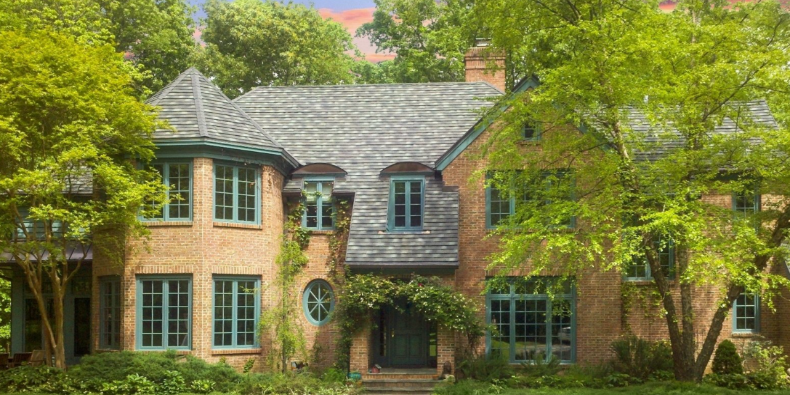
DECRA comes in an array of beautiful colors. And it’s designed in profiles that look just like traditional shingles, shakes, and tiles. You get all the curb appeal of conventional roofing plus a noncombustible roof surface for the 4th of July and every day of the year. Request a complimentary sample today to see it up close.