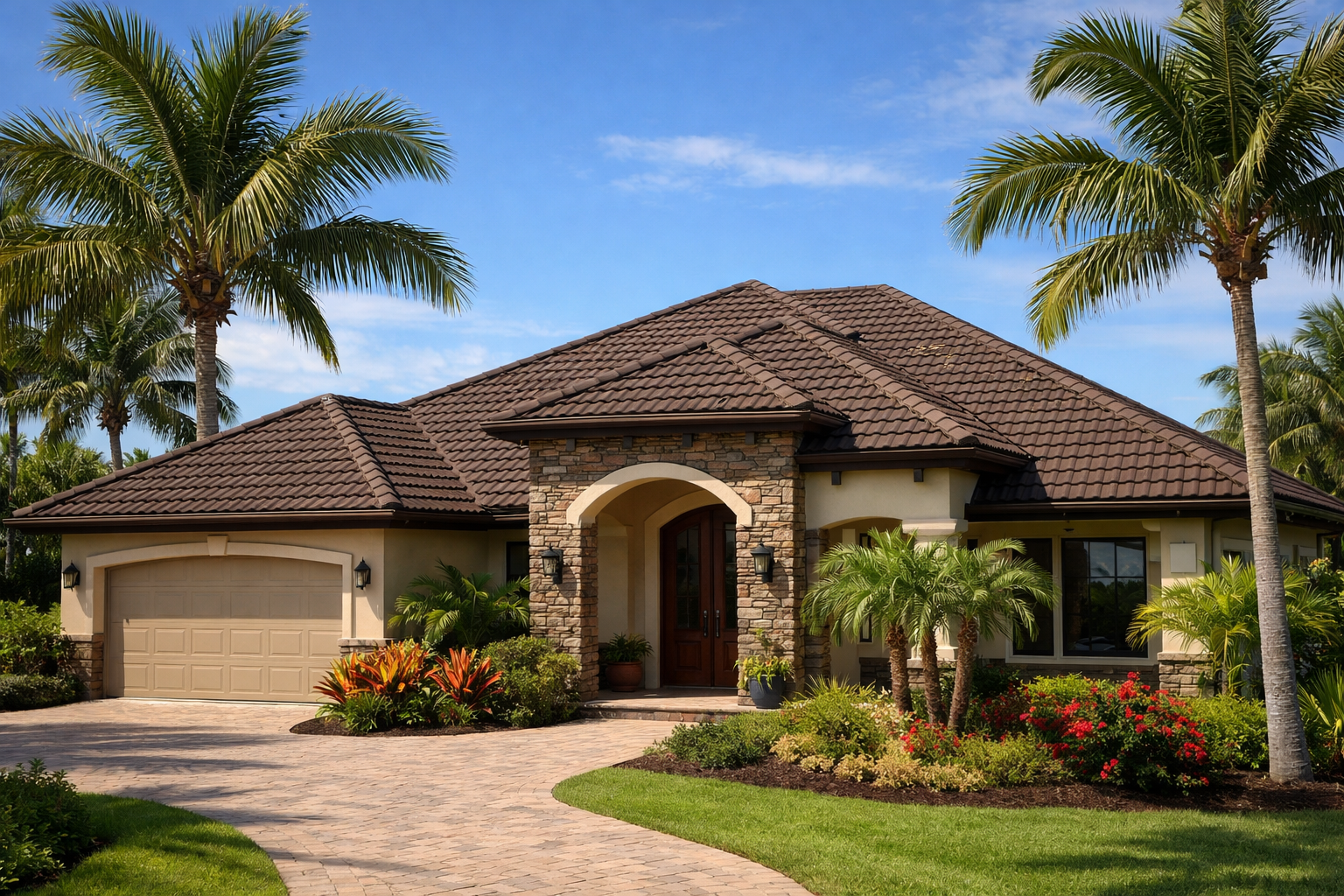
For years, homeowners mistakenly thought that metal roofing was a poor choice in hot climates. But nothing could be further from the truth. Metal roofing is an excellent option for reducing cooling costs and protecting against warm-weather-related risks.
But this guide isn’t just for property owners in Southern states. From British Columbia to Miami, from Boston to Los Angeles, metal roofing is a must when temperatures climb.
High Temps Aren’t Limited to the South Anymore
March was the hottest month on record in many states across the country. Half of the contiguous US reached unseen temperatures for that time of year. And the average temperature was nearly 10 degrees above the previous-century average.
This wasn’t just an outlier on weather charts, however. Scientists know that much of the nation is warming each year. In fact, the US is warming faster than other parts of the world.
The US is not warming evenly either. While many southern states already experience hot temperatures for months on end, other states are unexpectedly getting hotter faster.
According to new research, the following states have the fastest warming rates:
- Alaska
- New Jersey
- New Mexico
- Delaware
- Massachusetts
- Vermont
You might expect Las Vegas or El Paso to be heating up quickly, too—and they are—, but it might surprise you to learn that Burlington, Vermont, is keeping pace with these Southwestern cities.
Most of North America is impacted
Similarly, parts of the Canadian Pacific Northwest have witnessed uncharacteristic heatwaves.
One in 2021 “obliterated” temperature records, and the city of Vancouver reached new highs the first week of May this year.
Normal hot weather, coupled with heat anomalies that appear to be forming a new trend, has municipalities worried about grid strain and power outages. Electric generating capacity is expected to set new records this year, according to the US Energy Information Administration (EIA).
And high temperatures across the country have homeowners worried about cooling costs as utility bills rise with the mercury and electricity use. The environmental impact of greater energy consumption is another concern.
Therefore, homeowners are looking for ways to reduce cooling costs. Since a home’s roof is a primary factor in this equation, they’re comparing roofing materials for hot climates. Does metal roofing make for an energy-efficient roof? The answer is a definitive yes.
How the Right Metal Roofing Improves Energy Efficiency
Metal roofing—especially stone-coated metal roofing—improves a home's energy efficiency through three different factors. You can reduce warm-weather cooling costs by up to 25% with this roof type. Let’s break down the science behind how this works.
Thermal Resistance
Simply put, thermal resistance is a roof’s ability to fight heat transfer. Think of it like the exterior of your refrigerator, which acts as an insulator. Even if your house is 68 degrees or warmer, the food in the fridge stays cool. That’s partly due to the mechanical refrigeration process. But the shell of your fridge is also designed to keep cool air in and warm air out.
Metal roofing is similar. Combined with emissivity and reflectivity, discussed below, its thermal resistance keeps the roofing material from absorbing heat from the sun and the environment. Conversely, asphalt shingles absorb heat.
Reflectivity
Reflectivity is how well a roof reflects light. Can it reflect sunlight and heat away from a building? Metal roofing is quite good at this, unlike traditional roofing.
The color of the roofing is part of its reflectivity, just like how wearing white on a hot day is more cooling than wearing all black. But the exterior surface of stone-coated metal roofing enhances its reflectivity, emissivity, and thermal resistance even in darker shades. Its special coating provides additional temperature regulation without the shiny glare you’d get from a traditional mirror.
Other Warm Weather Benefits of Metal Roofing
The best stone-coated metal roofing also offers homeowners a wealth of benefits, whether they live in year-round warm climates or experience high temperatures only some of the time.
Highest UL Fire Rating
Increasing hot temperatures often accompany drought conditions in the US and Canada. And that increases the risk of wildfires. These fires are no longer only a concern in the West. The Northeast and, more recently, the Southeast have struggled with brush fires that have forced evacuations and threatened structures.
One of the best ways to protect your home from fire is to install a metal roof, as it's noncombustible. And you want one with a Class A fire rating from Underwriters Laboratories (UL). They test construction and consumer products in various categories for safety and durability. A Class A roof provides the best fire resistance and stays in place to protect the home when other types of roofing might slide off its decking or battens.
Weather Resistance Against Tropical Storms and Hurricanes
If you live in a hot climate east of the Mississippi, you probably deal with Atlantic tropical storms and hurricanes from June to November. The right metal roofing can prevent roof uplift during these storms.
Look for metal roofing that meets Miami-Dade, Florida, hurricane standards. It will stay put in winds up to 120 miles per hour.
Protection from Hail Impact Damage
Warm-weather storms also bring hail—not just in the Southeast but around the country. Hail impact damage can be quite costly. And even if your insurance covers it, you still have to pay your deductible when you file a damage claim.
The best protection is to avoid hail damage altogether. A stone-coated metal roof offers better resistance to hail and other impact damage. It should have a Class 4 impact resistance rating from UL. You’ll find roofing that conducts its own independent testing and offers warranties against hail damage from stones up to 2.5 inches in diameter.
Preferential Insurance Treatment
Because of its durability (two to three times that of traditional roofing) and weather resistance, insurance companies prefer metal roofing. Some homeowners are struggling to keep their coverage as carriers decline to renew policies for older, subpar roofs.
But homeowners with metal roofing often qualify for discounts. Not only that, they can keep replacement cost coverage for years after it would change to actual cash value, which is what happens with asphalt shingle roofing in just 10 or 15 years.
Sturdiness to Support Solar Panels
For homeowners really seeking to cut utility costs, solar energy can be a boon. However, not all roofing can support solar panels. Top-quality metal roofing can, though, so you can savor lower bills even when energy costs soar.
DECRA by IKO Is Engineered to Help with Home Cooling
You can see for yourself how DECRA by IKO stone-coated metal roofing is designed to provide homeowners with the best protection against UV rays and hot weather. Request a complimentary sample today.
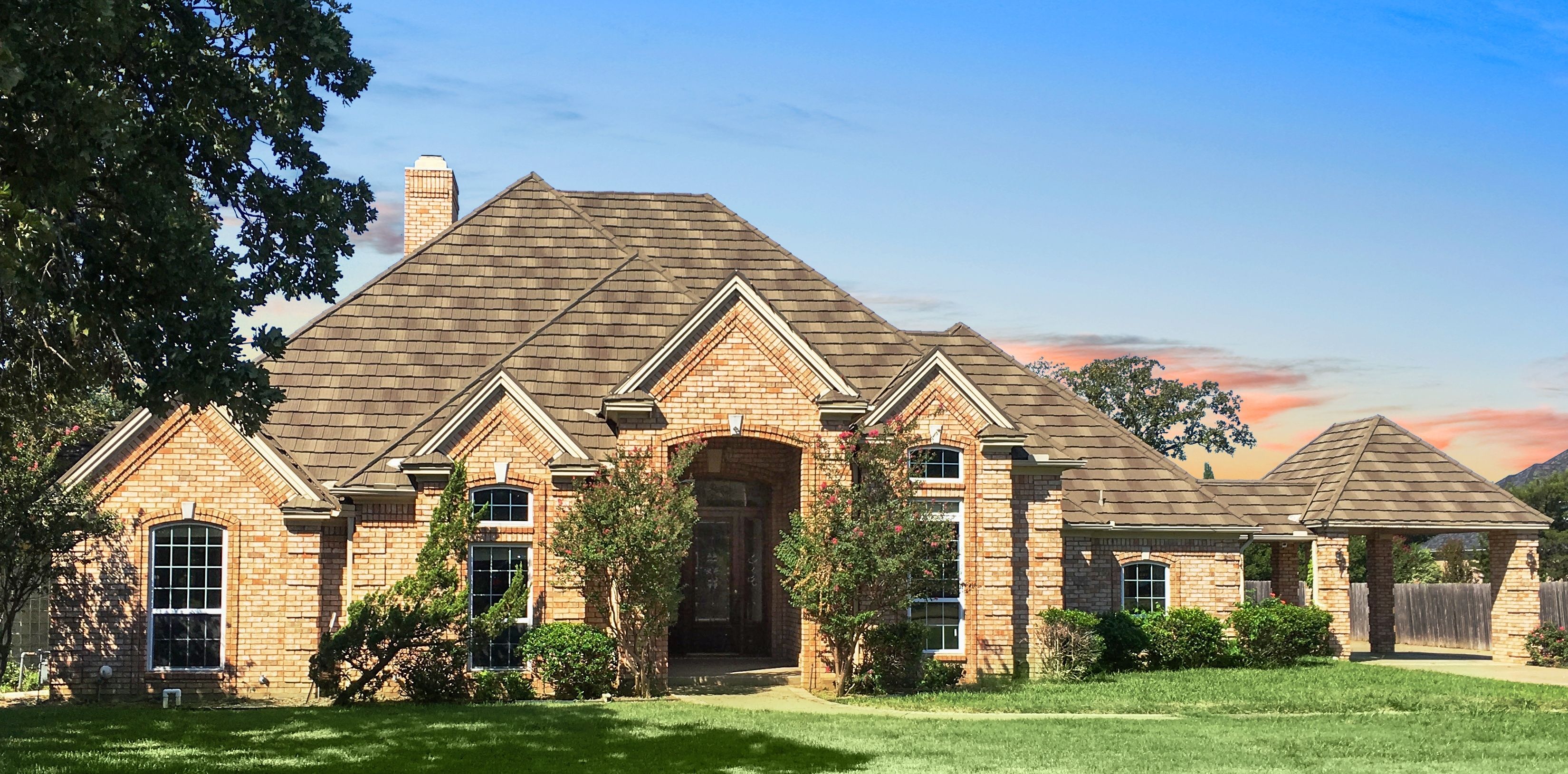
You’ll notice its hollow core adds another level of temperature stability to the roof, which also benefits the home in winter. And it comes in a range of colors and profiles that mimic tiles, shingles, and shakes for a perfect match for any property style.